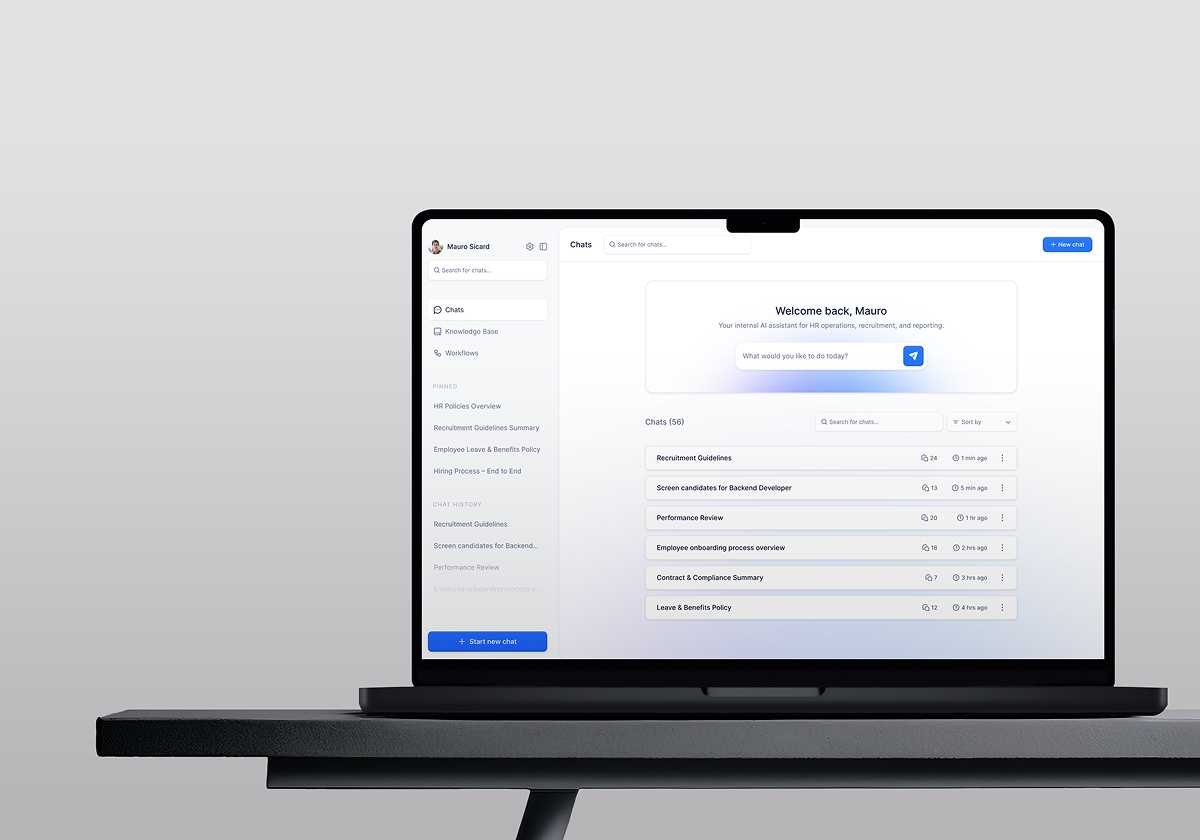
ERP Systems for Managing New Zealand's Largest Auto Parts Network
Brief
This ERP solution was built to manage millions of vehicle records, invoices, and parts for New Zealand’s largest automotive materials and spare-part management ecosystem.
I. Critical pain points that the system had to address
The client required a complete overhaul of their outdated ERP, which struggled to manage expanding data volumes and operational complexity. They needed a new platform capable of supporting multiple businesses, automating daily processes, and ensuring reliable data synchronization across millions of records.
The problem? Their legacy system was slow, fragmented, and impossible to scale. They needed an entirely new ERP built in just four months — one that could act as a white-label platform for multiple customers, handle massive datasets, and replace costly hardware with efficient digital tools.
What challenges do they deal with? The new solution must:
II. How Adamo delivered the new ERP platform
To meet the client’s urgent timeline and complex requirements, Adamo focused on restruturing both the development process and the system architecture. The objective was to create a stable, scalable ERP that could support large datasets, multiple tenants, and modernized operational workflows.
1. Redeveloping the URP using the Existing Codebase
Adamo rebuilt the entire ERP system based on the client’s legacy source code while modernizing core components for performance and maintainability. Three environments: development, staging, and production, were set up to allow the client to test thoroughly before go-live. This phased environment structure helped ensure data accuracy, system stability, and predictable releases, ultimately reducing risk during migration and launch.
2. Building a Multi-Tenant Deployment Model
Since the new ERP needed to function as a white-label platform, Adamo deployed the system across separate server accounts for each customer. Additionally, an internal administration tool was created to manage and monitor multiple deployments centrally. This enabled easier oversight, consistent configuration, and the ability to scale the platform to new customers without rewriting core functionality.
3. Developing a Mobile App integrated with the ERP Ecosystem
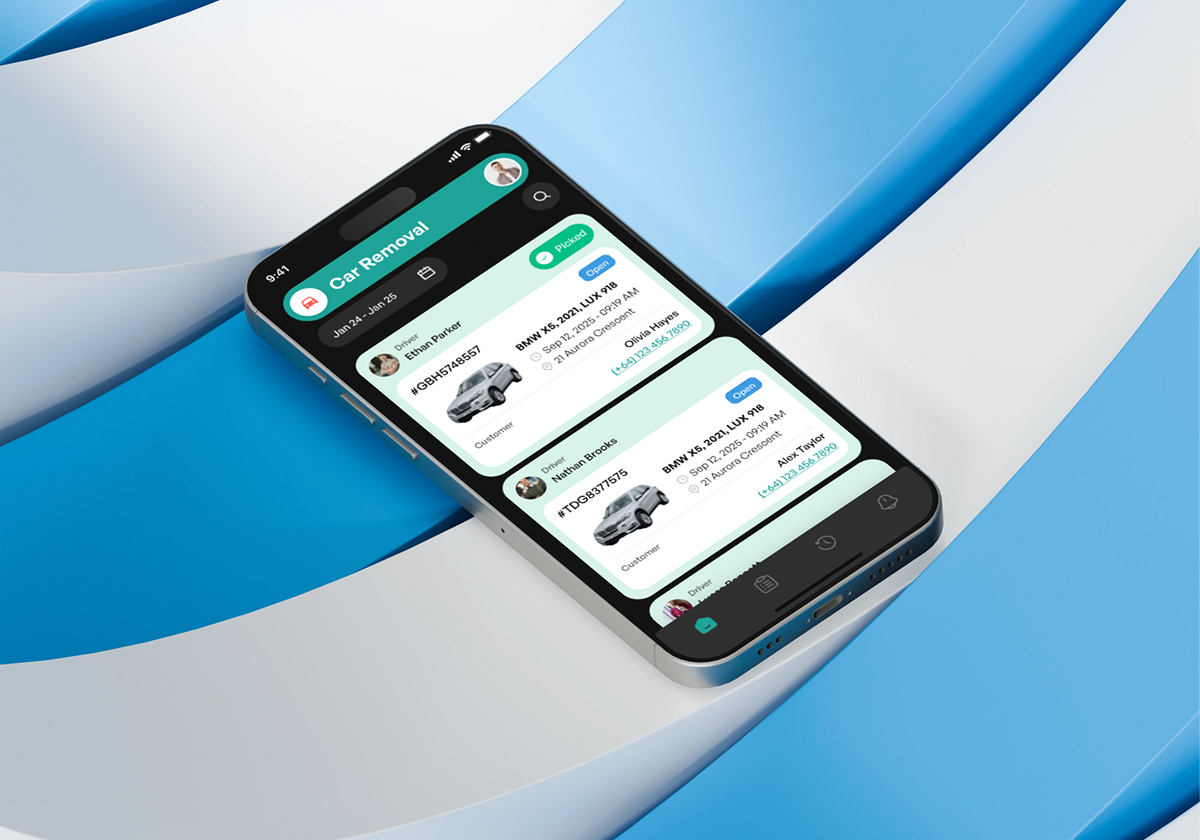
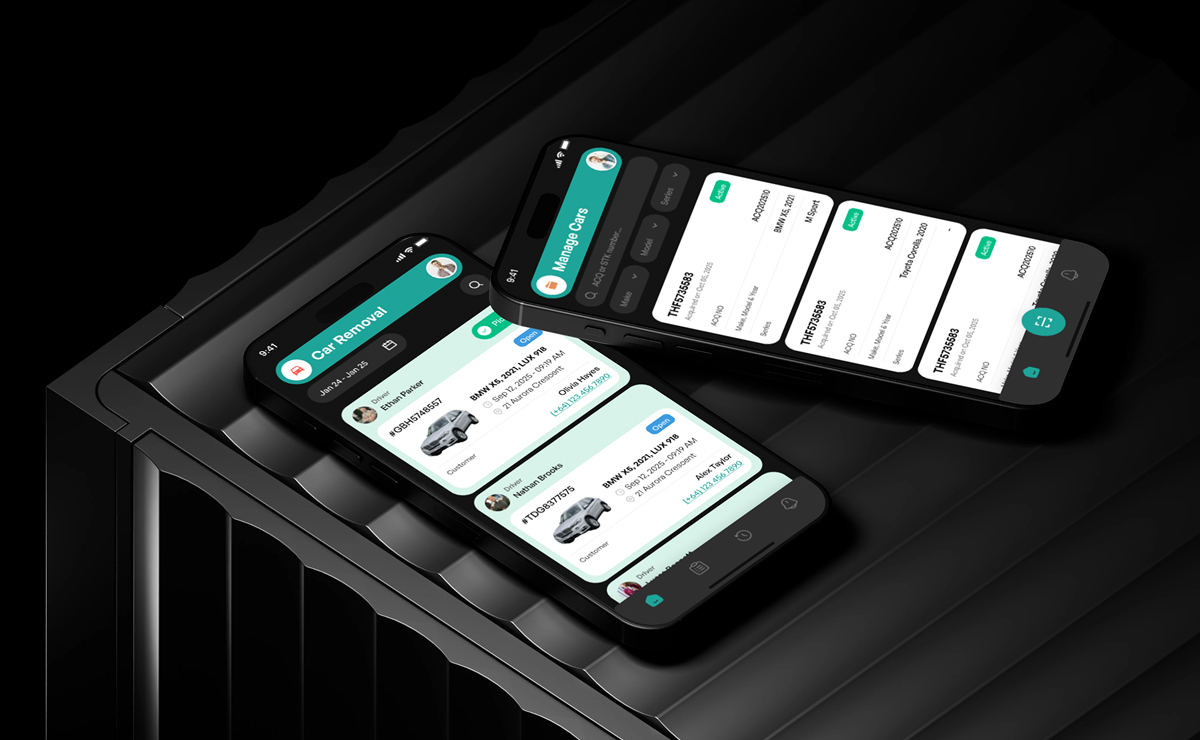
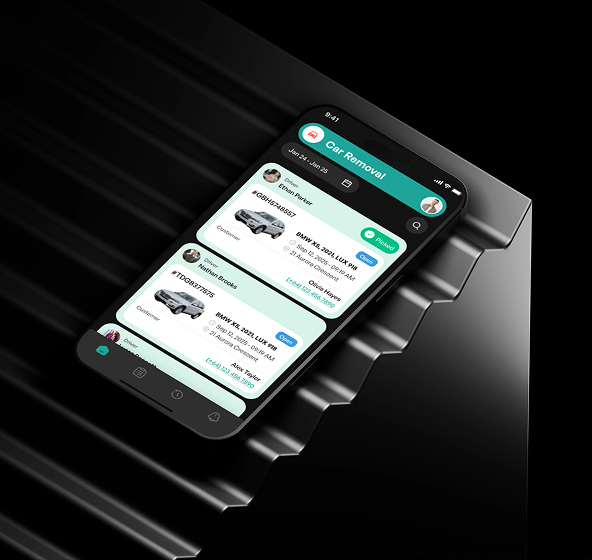
To eliminate the client’s dependency on costly physical devices, Adamo delivered a dedicated mobile application synchronized with the ERP system. Drivers and field staff can now manage orders, track spare parts, submit reports, and update job statuses in real time. This significantly reduces operational costs while improving workflow efficiency.
III. Key Features of the new ERP Platform
1. Multi-tenant White-label Architecture: One source code deployed across multiple clients, each operating in isolated server environments.
2. High-volume Data Processing Engine: Handles millions of vehicle records and invoices with accurate daily synchronization.
3. Integrated Mobile App: Drivers can track orders, manage spare parts, and submit reports in real time.
4. Centralized Admin Dashboard: Manage and monitor all client deployments from one control panel.
5. Automated Data Migration: Tools for extracting, cleaning, and transferring large legacy datasets efficiently.
6. Secure Multi-environment Setup: Development, staging, and production environments ensure stable releases.
7. Flexible Integration Capabilities: An extensible system design that allows future integrations with third-party logistics, accounting, or warehouse systems.
8. Intelligent Inventory Management: A streamlined interface for tracking parts, managing orders, and optimizing stock usage.
IV. Results: A Modern ERP Powering New Zealand’s Automotive Parts Industry
With the rebuilt ERP platform, the client now operates a high-performance system capable of managing millions of vehicle records and invoices with greater accuracy and stability. The white-label capability allows them to onboard new clients efficiently, while the mobile app has replaced costly equipment and streamlined field operations.
The business now benefits from a scalable, modernized infrastructure delivered within the required 4-month timeline — strengthening their position as a leading automotive parts management provider in New Zealand.









 Learn More

 Web
Web  F&B
F&B  AI
AI  AU
AU 
 Healthcare
  EU
EU